
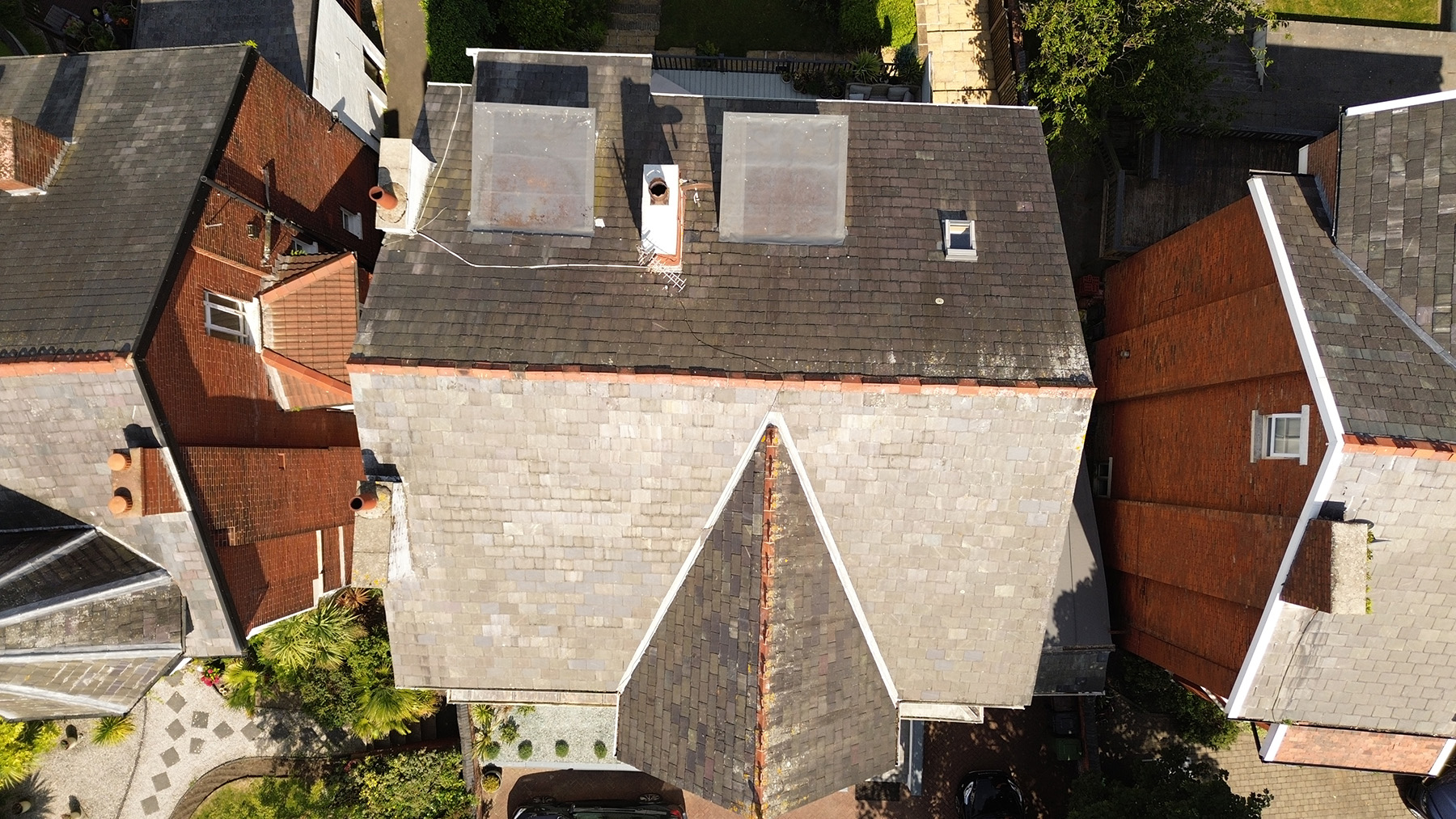
When you’re buying a property, a survey is one of the smartest investments you can make. It reveals underlying issues that aren’t visible during a typical viewing and gives you a clear picture of the property’s condition. From damp to structural movement, understanding these issues can save you thousands, strengthen your negotiating position, and give you confidence in your purchase.
We explore the 10 most common problems that RICS-accredited surveyors uncover, why they matter, and what you can do if they appear in your report.
The Real Value of Professional Property Surveys
A property survey offers far more than a quick condition summary.
- Identifies hidden defects
- Highlights potential safety risks
- Provides insights that can inform negotiation
- Helps you avoid costly post-completion surprises
- Supports mortgage and insurance approvals
- Gives peace of mind before making a major financial commitment
Whether you’re a first-time buyer or a seasoned homeowner, a survey ensures you are making a fully informed decision backed by a RICS-accredited report.
The Main Types of Property Survey
When buying a home, you’ll typically choose from three main types of property surveys, each offering a different level of detail.
- A Condition Report (Level 1) provides a basic overview of a property’s general condition and highlights any urgent issues, but it doesn’t include advice or detailed investigation.
- A HomeBuyer Report (Level 2) is the most common choice. It assesses visible defects, includes guidance on repairs, and may incorporate a valuation.
- A Level 3 Building Survey is the most comprehensive option, suitable for older, larger, or altered homes, offering an in-depth analysis of structure, defects, and recommended repairs.
Click here to learn more about what property survey is right for you.

The Most Common Issues Found During A Property Survey
1. Damp and Mould
Damp often results from leaks, blocked gutters, poor ventilation, failed damp-proof courses, or condensation. Signs include peeling paint, watermarks, salt deposits, musty smells, and mould. Surveyors watch closely for low-level damp, which can indicate rising damp needing urgent attention.
While usually manageable, untreated damp can damage plaster, timbers, and decoration, and affect respiratory health. Fixing the moisture source is essential, sometimes requiring specialist assessment.
2. Roof Defects
Ageing tiles, slipped slates, damaged flashing, and blocked gutters are common causes of roof problems. Surveyors check for missing tiles, sagging rooflines, water ingress in lofts, and overflowing gutters.
If ignored, roof defects can cause damp, timber decay, and costly damage. Early repairs are manageable, but structural timber issues require urgent attention and specialist input.
3. Structural Movement
Subsidence, settlement, or heave caused by soil, trees, leaking drains, or foundations show as diagonal cracks, gaps, sloping floors, or sticking doors. Minor cracks are often cosmetic, but progressive cracking can threaten safety and mortgage approval. A structural engineer’s assessment is crucial for serious concerns and negotiation.
4. Plumbing and Drainage Issues
Outdated pipes, leaks, slow drains, and DIY alterations can cause plumbing problems. Surveyors look for corrosion, low pressure, leaks, and damp patches. Most issues are manageable but can lead to costly damage if ignored. CCTV drainage surveys and plumber inspections are often recommended.
5. Electrical Faults
Old wiring, ageing consumer units, lack of RCD protection, and unsafe DIY work are common electrical concerns. Signs include exposed wiring, old fuse boxes, and no recent certification. Electrical faults pose fire risks and affect mortgage eligibility. An Electrical Installation Condition Report (EICR) is advised.
6. Insulation and Energy Efficiency Concerns
Poor insulation, single glazing, inefficient heating, or non-breathable materials like some spray foam can cause heat loss. Surveyors check loft insulation, glazing, and ventilation. These issues are generally manageable but can increase bills and complicate mortgage approval. Energy efficiency advice or specialist assessment is recommended.
7. Timber Decay, Rot, and Woodworm
Moisture, fungi, or insects cause timber damage, visible as soft wood, fungal growth, exit holes, or sagging floors. Early problems are manageable, but dry rot or active infestations require urgent treatment by specialists to protect structural integrity.
8. Boundary and Access Issues
Unclear boundaries, shared access, encroachments, or neighbour disputes can arise. Surveyors look for misaligned fences, missing markers, or evidence of past conflicts. Most cases are manageable but may need legal advice to clarify and formalise rights, preventing future disputes.
9. Poor Quality or Incomplete DIY Work
Unregulated work such as unsafe electrics, unfinished extensions, or missing certifications may involve unsupported openings or incorrect materials. Risks vary, with unsafe work needing urgent repair and cosmetic defects less so. Retrospective building control approval may be necessary.
10. Asbestos and Hazardous Materials
Older homes often contain asbestos or lead paint. Surveyors check textured ceilings, old insulation, or damaged materials for asbestos. While undisturbed asbestos is usually safe, damaged materials must be handled by specialists. A professional asbestos survey and management plan are essential.
What Happens After the Survey?
Clarify Findings With Your Surveyor
Your surveyor is the best person to explain the report in detail. We help you understand the severity of any defects and highlight which issues require immediate attention versus those that are more manageable. It’s important to ask questions as any extra clarity will be key to making informed decisions.
Get Specialist Reports if Needed
Sometimes the survey uncovers complex problems that require further investigation. For issues like structural movement, persistent damp, electrical safety, or roofing concerns, commissioning specialist reports from engineers or other experts will provide a more comprehensive understanding and specific recommendations.
Obtain Repair Quotes
Armed with your survey findings, you can approach builders or tradespeople for quotes on necessary repairs or improvements. Getting accurate cost estimates helps you realistically assess the financial commitment involved and plan accordingly.
Renegotiate The Price if Necessary
Significant defects or costly repairs often provide leverage for negotiating a lower purchase price. Your solicitor or estate agent can assist in presenting these findings to the seller, potentially saving you money or securing funds to cover repairs post-purchase.
Decide Whether to Proceed With The Purchase
The survey report empowers you to make an informed choice about moving forward. If major concerns arise that feel too risky or costly, you may choose to withdraw or renegotiate your offer. Alternatively, you can proceed with confidence, knowing you’ve identified all key issues upfront.
Protect Your Home With ASL Today
Trust in ASL - Chartered Surveyors & Valuers
A Home Survey is essential for understanding your property’s true condition and safeguarding your investment.
A property may look perfect at first glance, but hidden issues can quickly become expensive and disruptive. A survey highlights these problems early, protects you from unexpected costs and allows you to move forward with confidence.

Contact ASL and book your Homebuyer Survey today and get the peace of mind you deserve.