
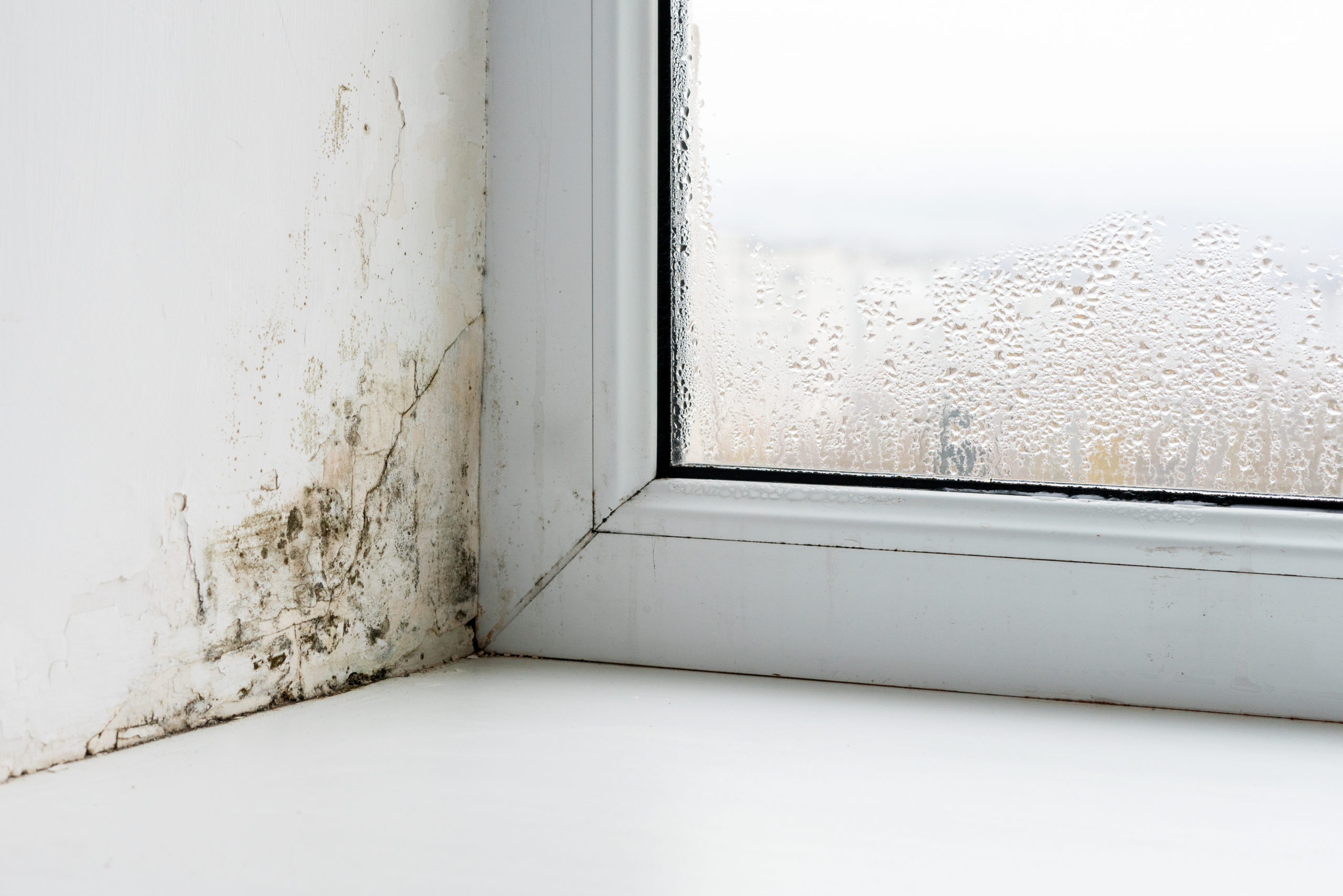
As winter sets in, many homeowners begin to notice moisture-related problems that were less obvious during warmer months. Windows stream with water, dark patches appear on walls, and musty smells linger indoors.
Condensation, damp, and mould are often confused, but they are very different issues, each with distinct causes, risks, and solutions.
Understanding which problem you’re dealing with is essential, as treating the wrong one can lead to ongoing damage and unnecessary expense.
Cold weather increases indoor humidity, reduces natural ventilation, and exposes hidden defects in a building’s fabric. That’s why our RICS Chartered Surveyors frequently encounter moisture issues as well as heat loss issues during winter inspections. Early diagnosis can prevent long-term damage and costly repairs.
Condensation vs Damp vs Mould – What’s the Difference?
Understanding the distinction between these issues is the first step toward fixing them effectively.
Condensation
Condensation occurs when warm, moisture-laden air comes into contact with colder surfaces such as windows, external walls, or ceilings. The air cools rapidly and releases water droplets onto these surfaces.
Condensation is most common in kitchens, bathrooms, and bedrooms where moisture is generated and ventilation is limited.
Common Signs of Condensation
- Water on windows
- Damp patches on walls
- Peeling paint
- A persistent musty smell
Damp
Damp refers to excess moisture entering a property from sources other than the air. It is generally more serious than condensation because it often points to a defect in the building, and typically worsens over time if left unresolved.
Different Types of Damp
- Rising damp, where ground moisture travels up through walls due to a failed or missing damp-proof course
- Penetrating damp, caused by water entering from outside through defective brickwork, roofs, or gutters
- Internal leaks, resulting from faulty plumbing, seals, or drainage
Mould
Mould is a fungal growth that develops in persistently damp or poorly ventilated environments.
It’s usually a symptom of an underlying moisture problem, most commonly condensation or damp, rather than a standalone issue.
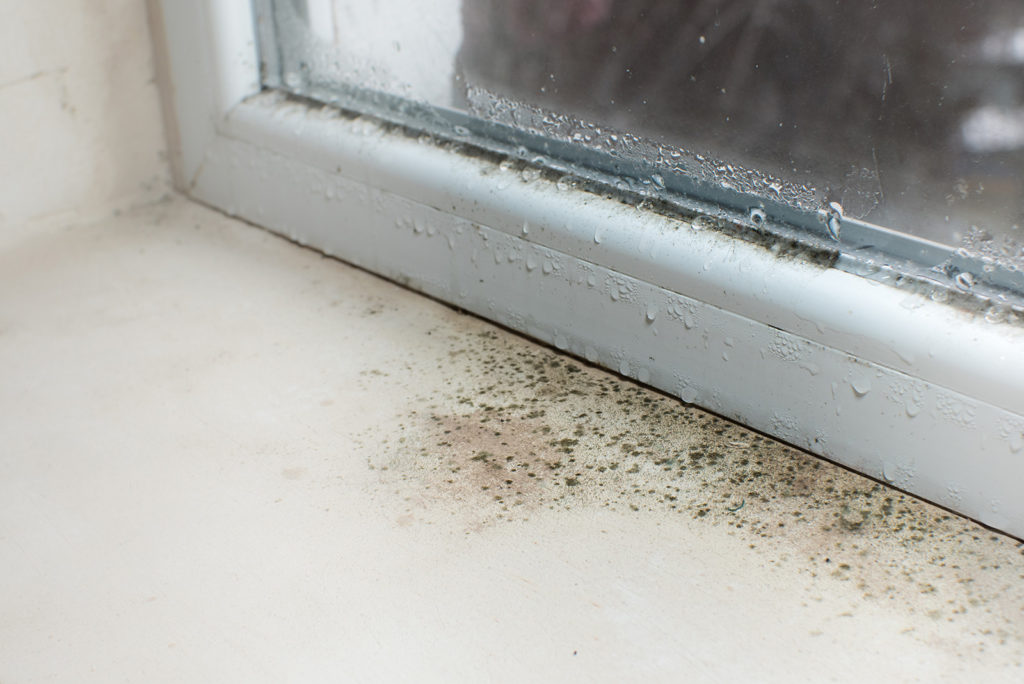
Mould often appears as black, green, or grey patches on walls, ceilings, window frames, and soft furnishings. Its presence signals that moisture levels are too high and that corrective action is required.
How These Problems Affect Your Property (and Why It Matters)
Although related, condensation, damp, and mould affect properties in different ways.
- Condensation is typically linked to lifestyle and ventilation habits. While it may seem minor at first, prolonged condensation can damage window frames, plaster, paint finishes, and can eventually lead to mould growth if left untreated.
- Damp is more severe and structural in nature. It can result in timber decay, rot, plaster failure, and reduced property value.
- Mould presents a health risk, particularly for those with allergies, asthma, or respiratory conditions. It also signals ongoing moisture issues and, if extensive, can devalue a property and raise concerns for buyers and lenders alike.
These issues are commonly highlighted in RICS HomeBuyer Reports and Building Surveys, particularly during winter months.
Which Types of Houses Are Most Affected?
Older Houses
Older properties are often more susceptible to rising damp due to aged or absent damp-proof courses. Weathered brickwork, failed render, and older roofing materials can also lead to penetrating damp. Cold external walls common in traditional construction can contribute to condensation, particularly if modern living patterns introduce higher humidity. Traditional buildings are designed to breathe, and inadequate ventilation can exacerbate winter moisture issues.
New Builds
Newer homes are generally well insulated and less prone to damp, but they are more susceptible to condensation. Airtight construction reduces natural ventilation, allowing humidity to build up indoors. If mechanical ventilation systems are poorly designed, incorrectly used, or not maintained, mould growth can quickly develop.
Converted Properties and Flats
Converted buildings and flats face unique challenges. Ground-floor flats are at higher risk of rising damp, while upper-floor flats often experience condensation due to heat rising and limited ventilation. Basements are particularly vulnerable to penetrating damp, especially during prolonged wet and cold periods.
How RICS Surveyors Diagnose the Cause
A Chartered Surveyor will use a range of methods to identify the source of moisture, including moisture meter readings, thermal imaging to detect cold bridging, and inspections of external elements such as gutters, downpipes, brickwork, and roofing.
Internally, surveyors check for leaks, failed seals, and plumbing defects, while also assessing insulation levels and ventilation systems. This holistic approach ensures the root cause is identified rather than simply treating the symptoms.
Fixing and Preventing Condensation, Damp and Mould
Condensation – Fixes and Prevention
Improving ventilation is key. This may involve using extractor fans, ensuring trickle vents are open, and regularly opening windows. In more severe cases, dehumidifiers can help manage moisture levels. Avoiding drying clothes indoors, maintaining consistent heating, and insulating cold surfaces where possible can also significantly reduce condensation.
Damp – Fixes and Prevention
The solution depends on the type of damp identified. Rising damp may require repair or replacement of the damp-proof course and improvements to drainage and ground levels. Penetrating damp is usually addressed by repairing guttering, repointing brickwork, fixing roofs, and sealing windows and doors. Internal leaks should be repaired promptly, with defective plumbing and seals replaced.
Mould – Fixes and Prevention
Mould should be cleaned using appropriate mould-removal treatments, but this is only a temporary measure unless the underlying moisture problem is resolved. Improving ventilation and airflow is essential, and heavily contaminated soft furnishings may need to be disposed of if they cannot be effectively cleaned.
When to Seek Professional Advice
Professional advice should be sought if damp patches recur, mould continues to spread despite improved ventilation, or if there are signs of structural damage. Suspected rising damp or penetrating damp should always be investigated by a qualified professional.
For buyers, a survey can identify moisture issues before committing to a purchase, helping avoid costly repairs and future upsets. Chartered Surveyors provide that expert diagnosis, unbiased advice, and formal reports that you can trust, alongside your lenders and solicitors.
At ASL, our RICS Chartered Surveyors offer thorough moisture assessments and building surveys to accurately diagnose condensation, damp, and mould problems. We provide clear, reliable reports to help you make informed decisions and protect your property investment.
How ASL Can Help Identify Mould, Damp & Condensation
Trust ASL Chartered Surveyors & Valuers
Condensation, damp, and mould are closely linked, but are fundamentally different problems. Winter conditions often make them more apparent. Addressing these issues early protects both your property and your health.
If you suspect moisture problems in your home our RICS Chartered Surveyors here at ASL can provide a professional assessment and clear, practical recommendations tailored to your property.

Contact ASL today to ensure your home remains safe, healthy, and well maintained throughout the winter months.