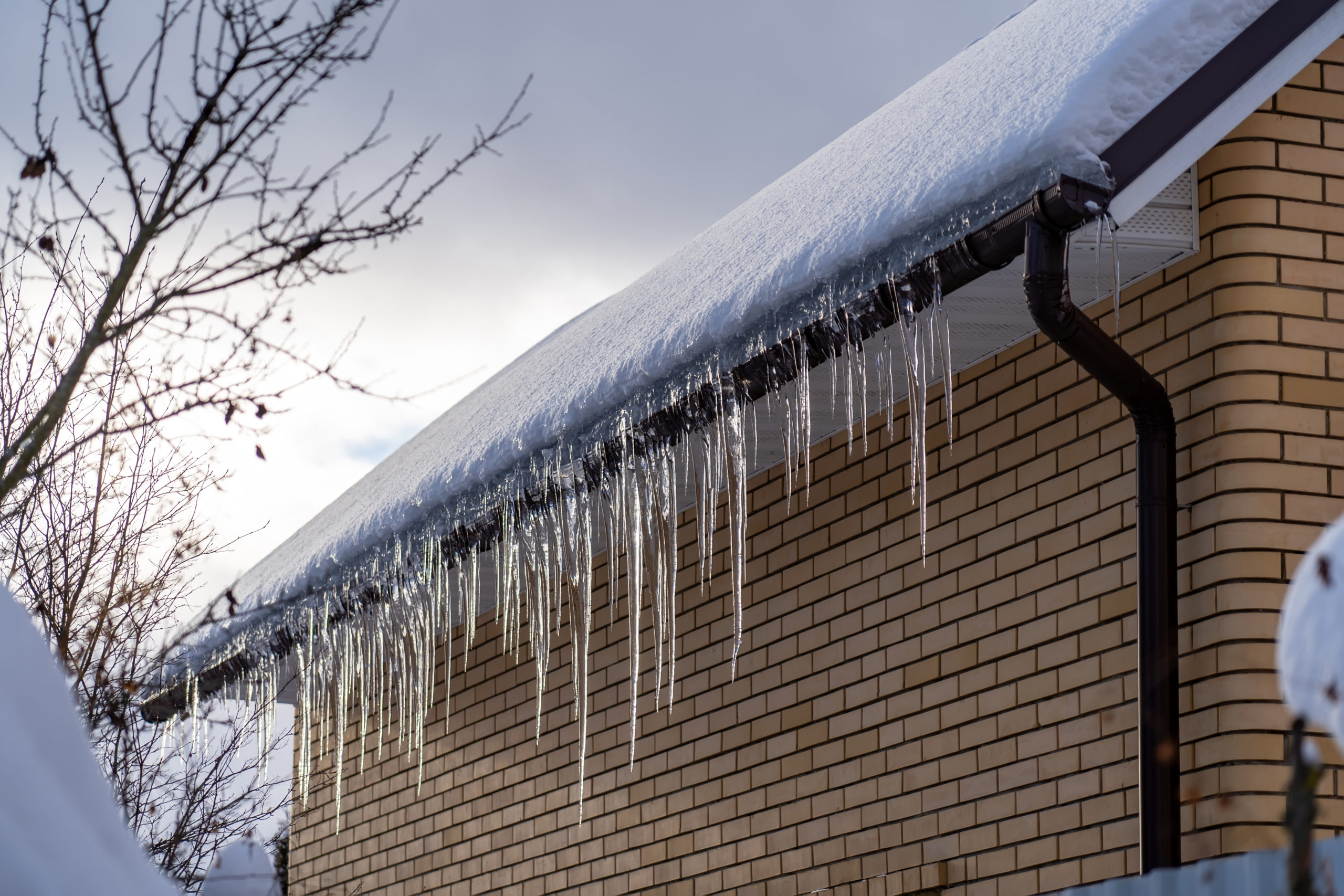
When temperatures drop and energy bills climb, many homeowners begin wondering how they can make their house feel warmer without endlessly turning up the thermostat. Our surveyors are often called in to help diagnose the real reasons why homes lose heat and it’s often more complicated than simply having older windows or an outdated boiler.
Heat loss can come from multiple sources, and understanding them is the key to creating a home that feels warm, efficient and comfortable throughout winter.
We walk through below the most common causes of heat loss in UK homes, what a surveyor typically looks for, and the steps you can take to keep the warmth in and the cold firmly out.
Why Your Home Might Feel Cold
Heat loss is not usually the result of a single cause. Instead, it’s the combination of small inefficiencies such as gaps, moisture, weak insulation, and structural exposure that gradually drain warmth from your rooms. During a building survey or energy inspection, we look holistically at how the building fabric performs. This includes windows, walls, heating systems, ventilation pathways and even the external environment surrounding the property.
Draughts and Gaps Around Windows, Doors and Frames
One of the most common findings is uncontrolled draughts & air gaps. Even modern homes can suffer from draughts caused by shrinking timber frames, worn seals, warped doors or original single-glazed windows that no longer sit flush. Draughts don’t just let cold air in, but they allow heated air to escape, forcing your heating system to work harder.
During a survey, we often use simple techniques like checking for movement or temperature changes around frames. Homeowners are frequently surprised at how much warmth is lost through seemingly tiny gaps.
Moisture and Damp Areas
Even if your thermostat reads a healthy temperature, dampness in the air can make a room feel chilly. Moisture absorbs heat and increases the perception of cold, leaving spaces feeling noticeably less comfortable. From a surveyor’s standpoint, damp isn’t just an energy-performance issue but a sign that something within the property’s ventilation, insulation, or waterproofing systems isn’t functioning correctly.
Condensation, rising damp, penetrating damp or leaks can all reduce thermal comfort. Solving the underlying moisture problem almost always leads to a warmer-feeling home.
Single Glazing or Failing Double-Glazed Units
Windows are one of the biggest heat loss pathways in any building. While single glazing is an obvious weak point, even double-glazed units can fail over time. When the seal between panes degrades, moisture gets trapped between the layers, forming mist and reducing thermal performance.
Surveyors frequently flag “blown” double glazing as a hidden cause of persistent cold rooms. While it’s not always a structural issue, the energy efficiency impact can be significant.
Uninsulated Solid Walls or Older Cavity Walls
Solid-wall homes are common across the UK, and many were built long before insulation became standard practice. Even cavity wall homes constructed before the 1990s may have no insulation at all or have insulation that’s become damp, slumped or ineffective.
Walls account for a substantial percentage of heat loss in a typical home. During a survey, we assess wall construction type, look for signs of thermal bridging, check for damp patches and consider whether the home would benefit from insulation improvements.
Poorly installed insulation, especially retrofitted cavity insulation, can cause further issues if moisture becomes trapped. A professional assessment is always worthwhile before undertaking major insulation work.
Older Heating Systems and Inefficient Radiators
A home can be well-insulated, but if the heating system is outdated or poorly designed, the property may still feel colder than expected. Surveyors commonly encounter radiators full of sludge, boilers past their best, or heating layouts that distribute warmth unevenly.
Radiator placement also matter. Units hidden behind furniture, installed beneath draughty windows, or positioned without consideration for airflow often underperform. Sometimes the issue isn’t the system itself but how it’s being used. Balancing radiators and bleeding trapped air can have a surprisingly big impact.
Blocked or Ineffective Air Bricks
A key component of healthy homes, air bricks allow essential ventilation into sub-floor voids and cavities to prevent damp and rot. However, when they are either blocked or ineffective, they can severely impact home warmth.
Blocking air bricks to try and stop drafts for example, prevents necessary airflow, which can lead to a buildup of moisture that makes the property feel colder and encourages mold. Conversely, damaged or poorly sealed air bricks and other wall vents can allow a constant stream of cold drafts directly into the home, cancelling out the efforts of your heating system and insulation.
The issue isn’t the air brick itself but its proper function. Never block air bricks completely. Instead, inspect them for damage and ensure internal vents that lead directly into rooms are fitted with a draft-reducing mechanism to maintain necessary ventilation without massive heat loss.
Heat Escaping Through Chimneys and Uninsulated Flues
Homes with open chimneys or unused fireplaces can lose a surprising amount of heat. Warm air naturally rises, and an unsealed chimney acts like a permanent escape route. During surveys, we frequently identify flues that have not been insulated, capped or properly draught-proofed.
While chimneys require adequate ventilation to prevent damp, well-designed chimney balloons, cowls or flue blockers can greatly reduce unwanted heat loss without compromising safety.
Insulation Materials That Have Degraded Over Time
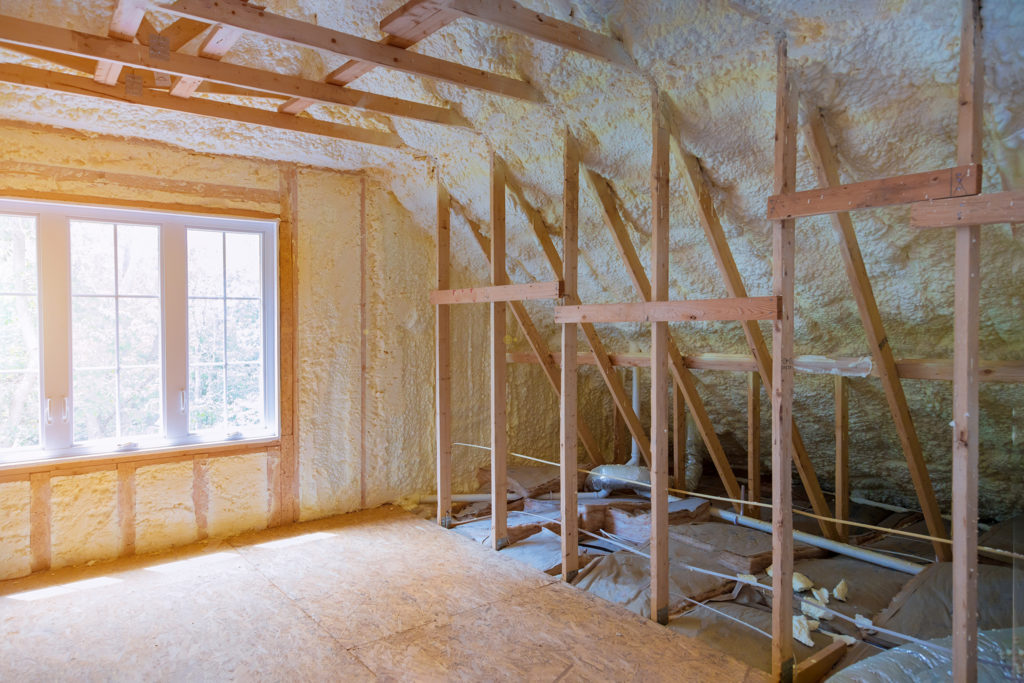
Insulation is not a fit and forget solution. Mineral wool can slump, foam insulation can degrade, and poorly installed insulation can leave cold spots. Attics are particularly prone to disturbance as insulation may be displaced during maintenance work or compressed by stored items, reducing its effectiveness.
Surveyors inspect loft insulation depth, condition and coverage. Even a few missing or thin patches can create enough thermal bridging to make an entire room feel colder.
External Factors: Orientation, Exposure and Wind Chill on the Structure
Some homes feel colder simply because of where or how they’re built. North-facing rooms receive less sunlight, while properties exposed to open fields, hillsides or coastal winds experience increased wind chill across the building envelope.
Surveyors consider the local environment and how it interacts with the structure. In exposed locations, improvements such as upgrading cladding, adding external insulation or enhancing airtightness can make a noticeable difference.
Warmth Starts With Understanding Your Home
Preventing winter heat loss doesn’t always mean expensive renovations. Sometimes it’s as simple as sealing draughts, unblocking air bricks or bleeding radiators. Other times, more intensive improvements such as window upgrades, insulation enhancements or heating system overhauls may be needed.
If your home feels colder than it should, a professional survey helps identify the exact reasons your home is losing heat and provides clear recommendations tailored to your property type, condition and budget.
Stay Warm This Winter With ASL
Trust ASL Chartered Surveyors & Valuers
A warmer, more energy-efficient home starts with understanding exactly where heat is being lost and how your property performs during colder months.
Booking a survey with ASL to get a thorough assessment tailored to your home’s unique needs, identifying key areas where heat escapes and recommending practical, cost-effective solutions.

Contact ASL today to book your property survey and enjoy a warmer, more comfortable home this winter.